
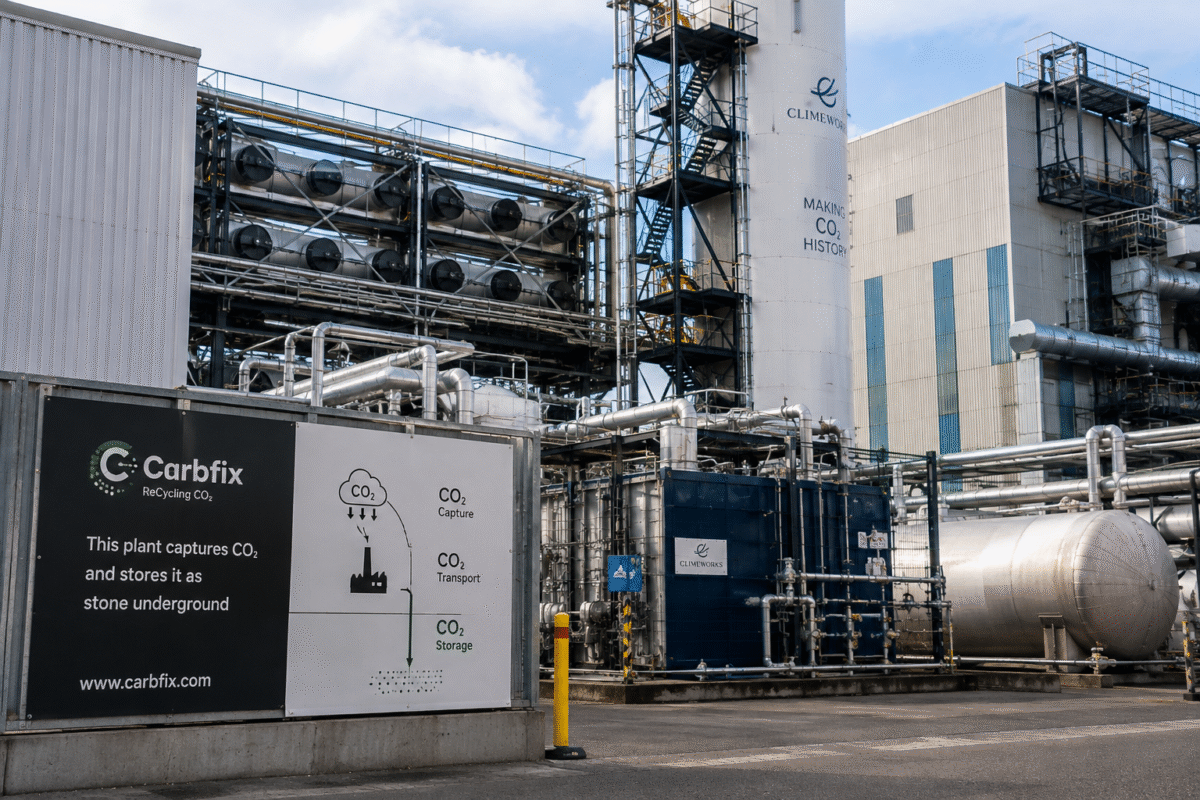
Introduction: The Science and Imperative of Carbon Dioxide Removal
The global fight against climate change has reached a critical inflection point. For decades, industrial decarbonization strategies focused almost exclusively on point-source emission reductions—energy efficiency, renewable energy procurement, electrification, and fuel switching. However, the Intergovernmental Panel on Climate Change (IPCC) sixth assessment report makes it unequivocally clear: avoiding catastrophic planetary warming above 1.5°C or 2.0°C requires not only deep point-source decarbonization but also massive, deliberate deployment of Carbon Dioxide Removal (CDR).
Carbon dioxide removal refers to a suite of anthropogenic activities that intentionally extract carbon dioxide (CO₂) directly from ambient air and permanently store it in geological, terrestrial, or ocean reservoirs, or in long-lived durable products. It is fundamental to distinguish CDR from conventional point-source carbon capture and storage (CCS). While CCS prevents new emissions from entering the atmosphere by scrubbing flue gases at industrial smokestacks, CDR actively cleans up historical and residual concentrations of CO₂ already circulating in ambient air.
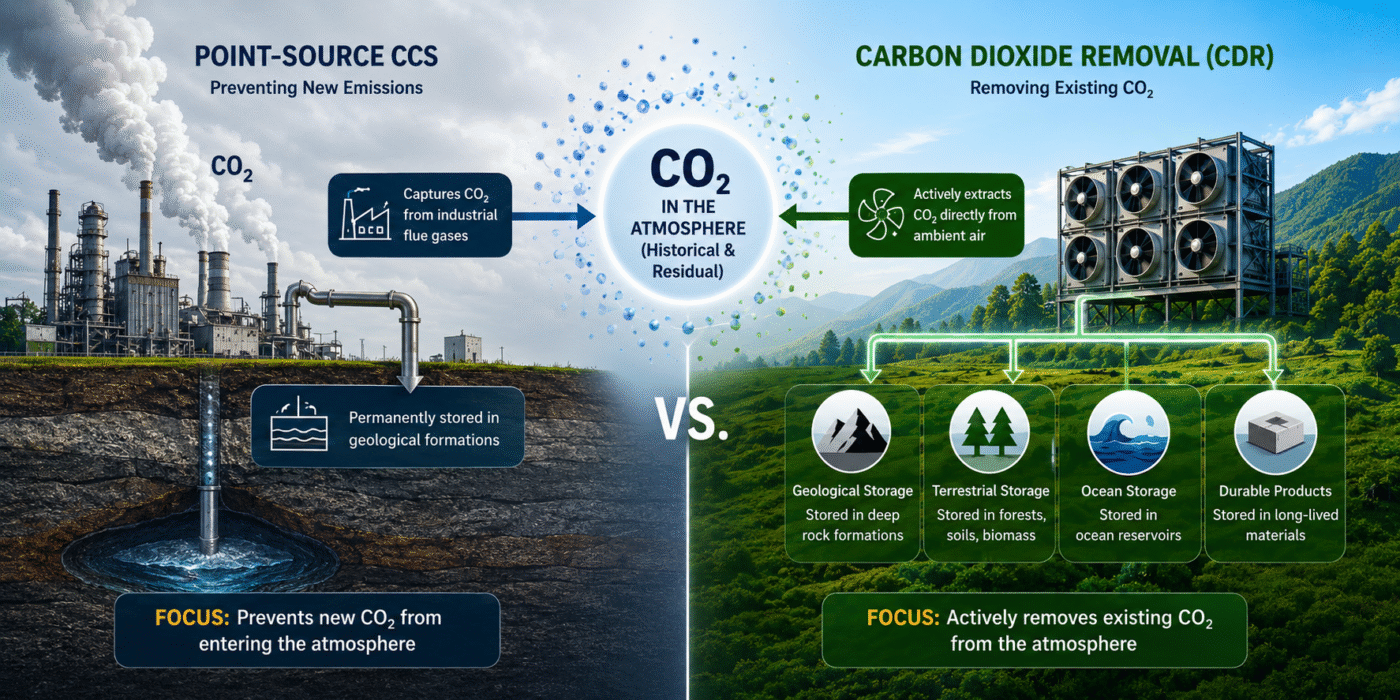
- Atmospheric CO₂ Concentration: > 420 PPM
- Target Global CDR Scale by 2050: 5–10 Gt/year
- Minimum Storage Permanence Threshold: 100+ Years
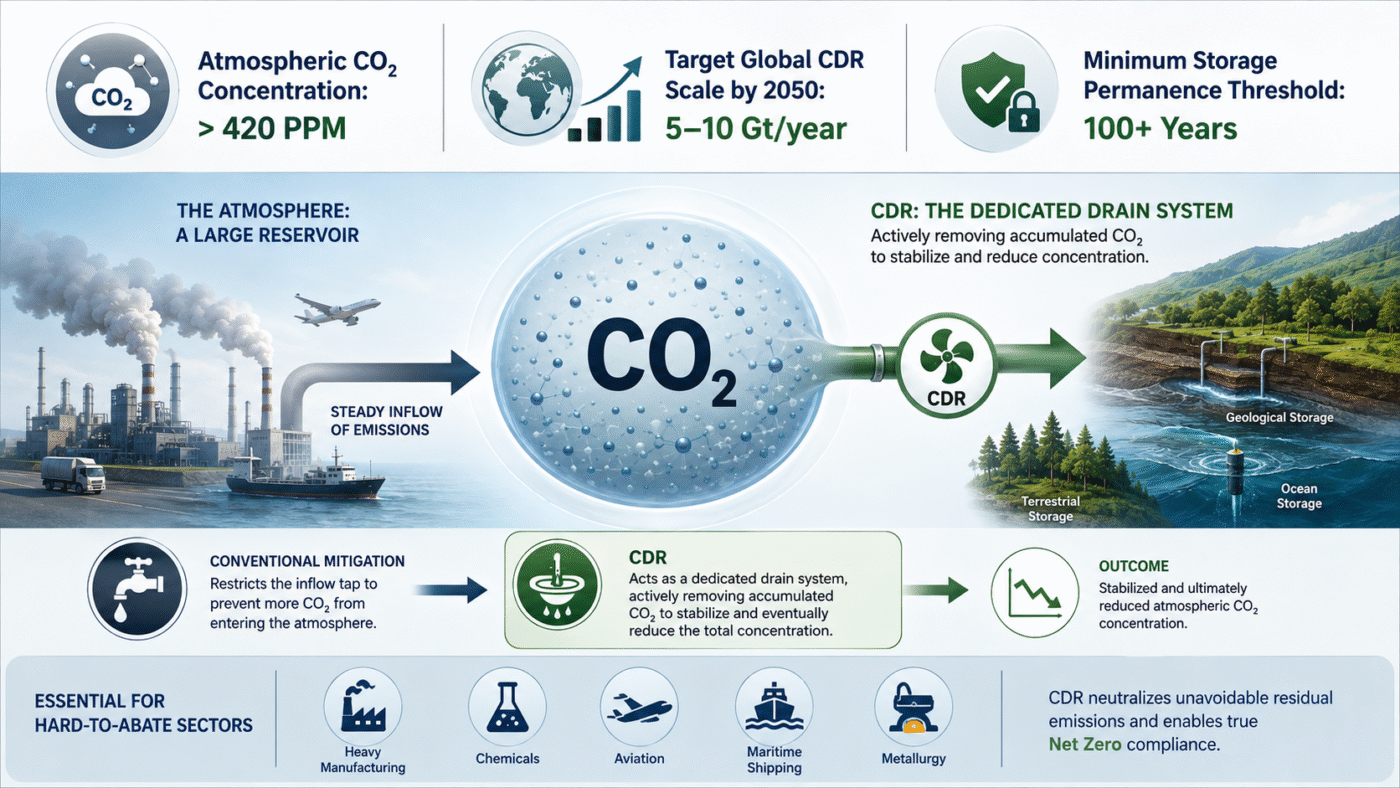
To conceptualize CDR, consider the atmosphere as a large reservoir receiving a steady inflow of emissions. Conventional mitigation restricts the inflow tap. CDR acts as a dedicated drain system, actively removing accumulated volume to stabilize and eventually reduce the total atmospheric concentration. For hard-to-abate sectors—such as heavy manufacturing, chemicals, aviation, maritime shipping, and metallurgy—CDR represents the primary mechanism to neutralize unavoidable residual emissions and achieve true Net Zero compliance.
2. Distinguishing CDR from Related Decarbonization Concepts
A common point of confusion is the distinction between CCS, CCUS, and CDR. Precision in these definitions is critical for compliance, regulatory reporting under frameworks such as BRSR and CBAM, and navigating high-integrity carbon credit markets.
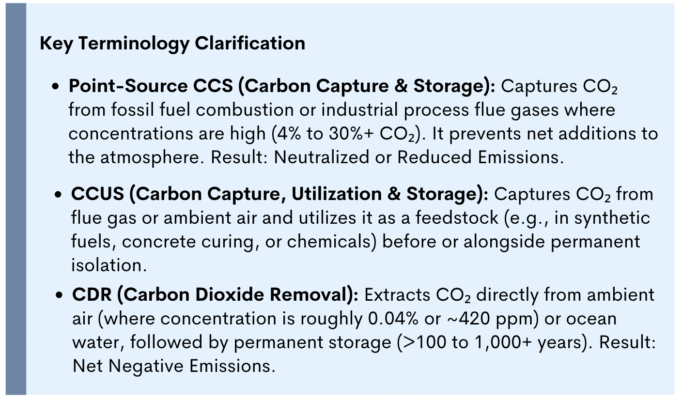
- Point-Source CCS (Carbon Capture & Storage): Captures CO₂ from fossil fuel combustion or industrial process flue gases where concentrations are high (4% to 30%+ CO₂). It prevents net additions to the atmosphere. Result: Neutralized or Reduced Emissions.
- CCUS (Carbon Capture, Utilization & Storage): Captures CO₂ from flue gas or ambient air and utilizes it as a feedstock (e.g., in synthetic fuels, concrete curing, or chemicals) before or alongside permanent isolation.
- CDR (Carbon Dioxide Removal): Extracts CO₂ directly from ambient air (where concentration is roughly 0.04% or ~420 ppm) or ocean water, followed by permanent storage (>100 to 1,000+ years). Result: Net Negative Emissions.
3. Technological Pathways: Classification of CDR Methods
CDR solutions span a wide spectrum from biological and nature-based mechanisms to engineered and chemical synthesis processes. Each pathway exhibits distinct characteristics regarding durability, land and energy intensity, technology readiness level (TRL), and cost per metric ton of net CO₂ sequestered.
A. Engineered & Technological CDR Pathways
1. Direct Air Capture and Storage (DACCS)
- Mechanism: Ambient air is pulled through chemical contactors using large fan arrays. The CO₂ binds selectively with a chemical agent—either a solid amine-functionalized sorbent (solid DAC) or a liquid alkaline solution such as potassium hydroxide (liquid DAC). Thermal or electrical energy is subsequently applied to regenerate the media, releasing pure, concentrated CO₂ gas, which is compressed and injected into basaltic rock or deep saline aquifers.
- Industrial Suitability: Ideal for heavy manufacturing sites with abundant waste heat or low-cost renewable power. Requires minimal physical land footprint compared to biological options.
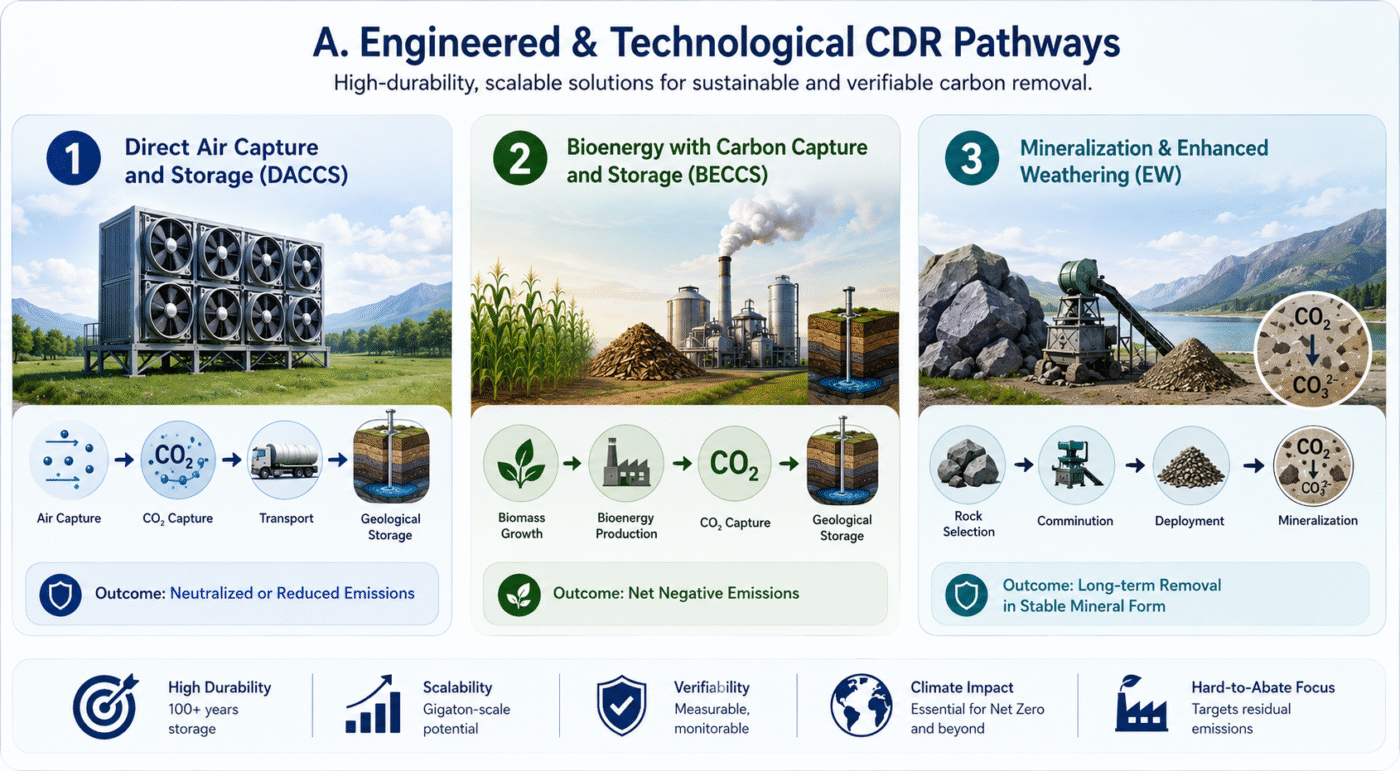
2. Bioenergy with Carbon Capture and Storage (BECCS)
- Mechanism: Plant biomass absorbs atmospheric CO₂ during growth via photosynthesis. The biomass is then combusted in a power plant, gasified, or fermented (e.g., in bio-ethanol production). The resulting high-concentration flue gas CO₂ is captured, compressed, and permanently sequestered underground.
- Industrial Suitability: Highly relevant for biomass-based cogeneration plants, pulp and paper facilities, sugar distilleries, and waste-to-energy operators.
3. Mineralization & Enhanced Weathering (EW)
- Mechanism: Naturally occurring silicate minerals (such as olivine or basalt) naturally react with dissolved atmospheric CO₂ to form stable solid carbonate minerals (e.g., MgCO₃ or CaCO₃). Enhanced weathering accelerates this process by finely grinding these rocks and spreading them over agricultural fields or coastal regions, expanding the surface area exposed to rain and ambient air.
- Industrial Suitability: Excellent opportunity for mining companies, quarry operators, and slag-producing metallurgical plants (steel, aluminum) to convert alkaline solid waste into carbon sinks.
B. Nature-Based and Hybrid Pathways
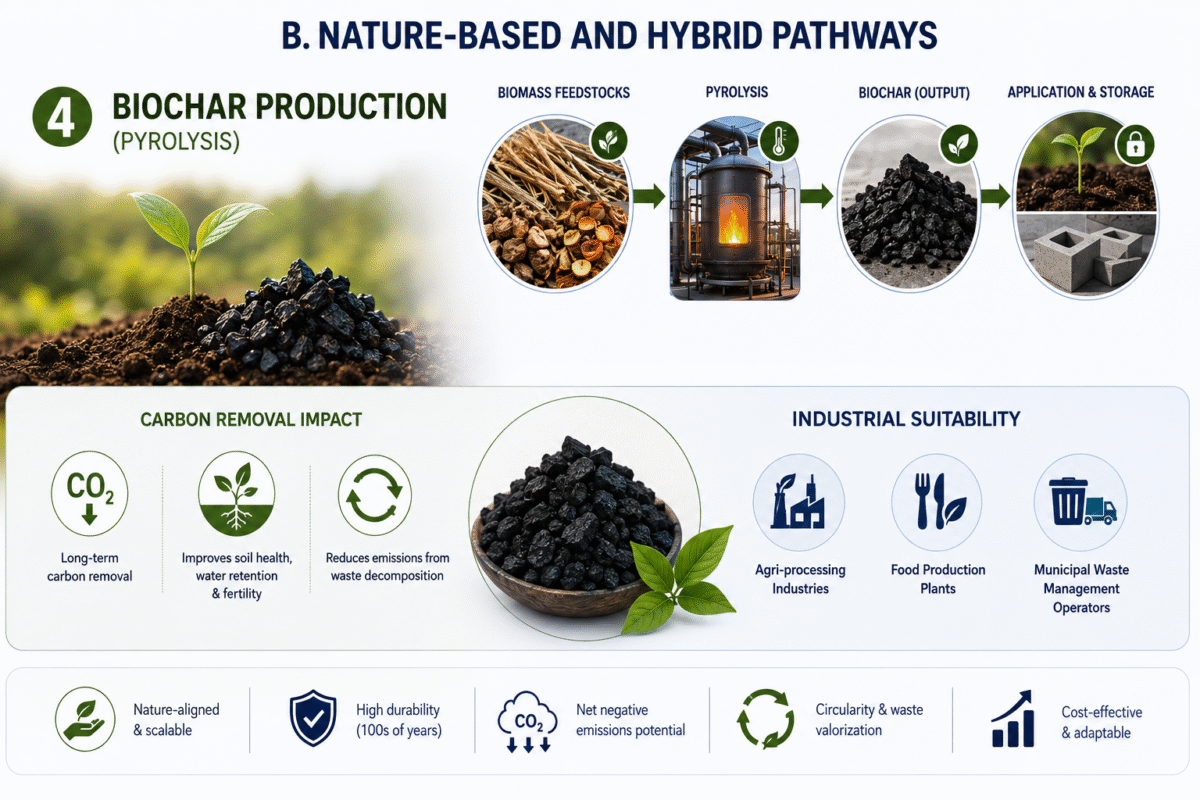
4. Biochar Production (Pyrolysis)
- Mechanism: Biomass (agricultural residues, forestry waste, urban organic waste) undergoes thermochemical decomposition at high temperatures (350°C–700°C) in an oxygen-deprived environment (pyrolysis). This converts labile organic carbon into highly stable, recalcitrant elemental carbon (biochar), which resists decomposition for centuries when incorporated into soils or construction materials.
- Industrial Suitability: Highly viable for agri-processing industries, food production plants, and municipal waste management operators.
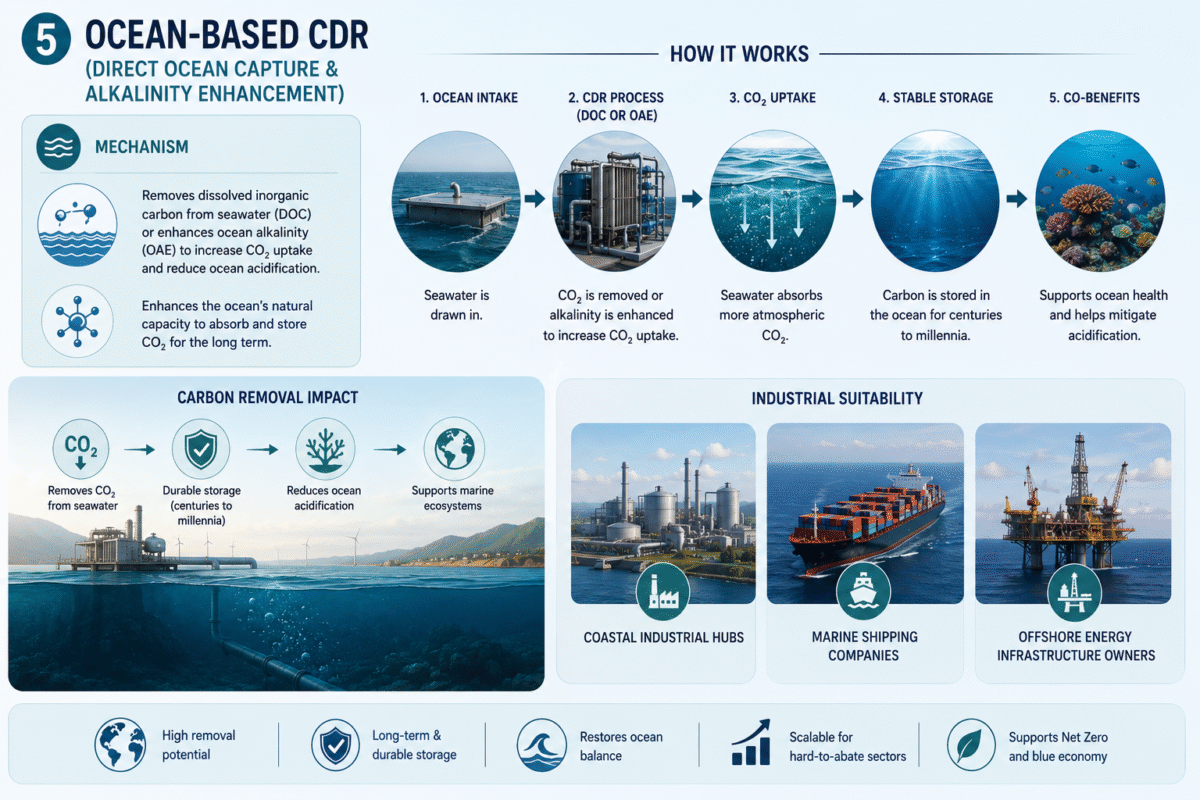
5. Ocean-Based CDR (Direct Ocean Capture & Alkalinity Enhancement)
- Mechanism: Ocean-based CDR operates either through Direct Ocean Capture (DOC)—using electrochemical systems to strip dissolved inorganic carbon from seawater—or ocean alkalinity enhancement (OAE), which adds alkaline substances (limestone, lime) to seawater to boost its capacity to absorb atmospheric CO₂ while mitigating ocean acidification.
- Industrial Suitability: Applicable for coastal industrial hubs, marine shipping companies, and offshore energy infrastructure owners.
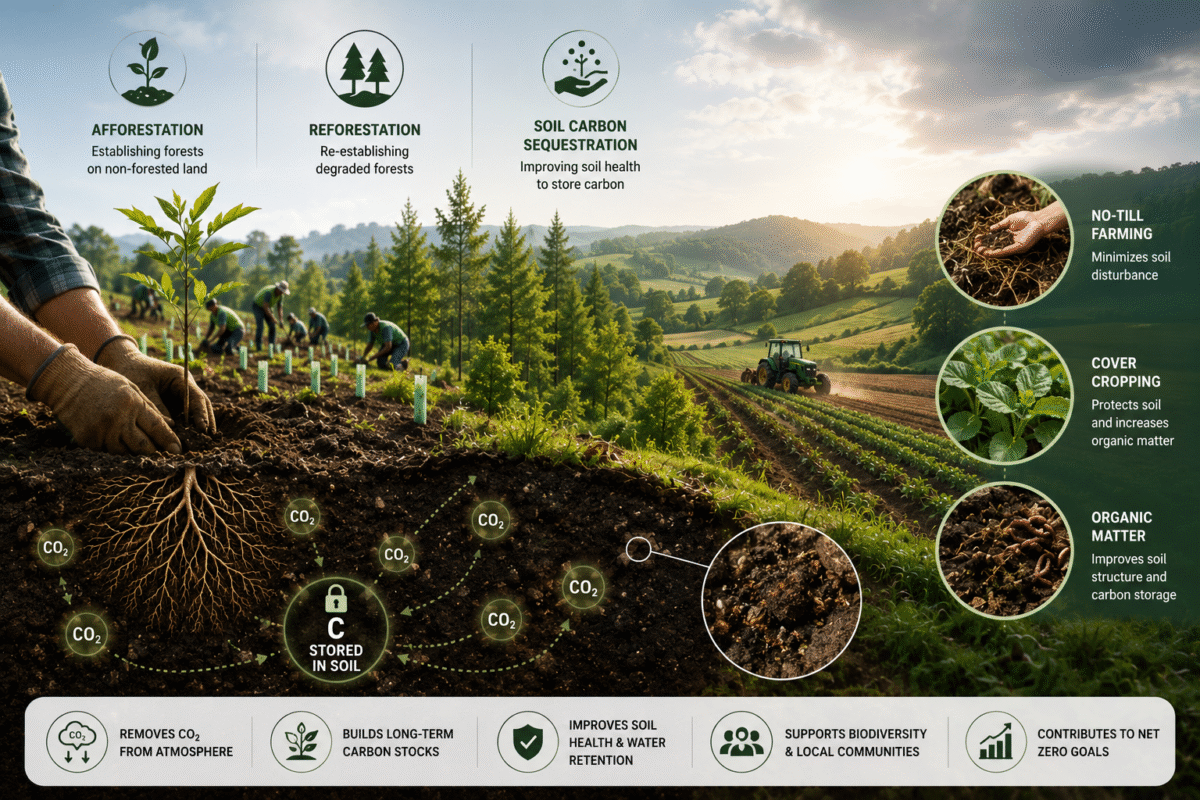
6. Afforestation, Reforestation & Soil Carbon Sequestration
- Mechanism: Establishing forests on non-forested land (afforestation), re-establishing degraded forests (reforestation), or modifying agricultural practices (no-till farming, cover cropping) to store carbon in plant biomass and organic soil matter.
- Industrial Suitability: Common for companies possessing large land holdings, real estate portfolios, or seeking regional community-focused CSR/ESG integration
4. Detailed Technical Comparison of CDR Pathways
|
CDR Pathway |
Primary Mechanism |
Permanence / Durability |
Resource Requirements |
Est. Cost ($/tCO2) |
TRL |
|
DACCS |
Chemical Sorbents / Solvents |
1,000+ Years |
High Thermal/ Electrical Energy |
$250 – $600 |
6 – 8 |
|
BECCS |
Photosynthesis + Amine Scrubbing |
1,000+ Years |
Biomass, Water, Land |
$100 – $250 |
7 – 9 |
|
Biochar |
Biomass Pyrolysis |
100 – 1,000 Years |
Biomass Feedstock, Pyrolyzer |
$90 – $200 |
8 – 9 |
|
Enhanced Weathering |
Silicate Mineral Dissolution |
10,000+ Years |
Basalt/Olivine, Transport |
$80 – $180 |
4 – 6 |
|
Direct Ocean Capture |
Electrochemical Acid/Base Cells |
1,000+ Years |
Electricity, Coastal Access |
$300 – $700 |
3 – 5 |
|
Reforestation |
Biological Photosynthesis |
10 – 100 Years (Reversible) |
Arable Land, Water |
$15 – $50 |
9 |
5. How Industrial Companies Can Set Up and Deploy CDR Projects
Phase 1: Opportunity Identification & Feedstock Matching
Industrial organizations should begin by identifying existing operational assets and byproduct streams that align with CDR technologies:
- Thermal Waste Heat: Manufacturing operations generating waste heat (100°C–300°C) can pair directly with solid sorbent DAC system regeneration modules.
- Organic Solid Waste / Biomass: Agri-processing, sugar mills, and timber facilities producing dense organic waste streams can install biochar pyrolysis reactors or BECCS boilers.
- Alkaline Waste Streams: Steel slag, fly ash, cement kiln dust, and mining tailings can be repurposed for accelerated mineral carbonation projects.
Phase 2: Technical & Economic Feasibility Assessment
Once a pathway is matched, conduct a rigorous techno-economic assessment (TEA) evaluating key metrics:
- Levelized Cost of Removal (LCOR): Calculate the total capital expenditure (CapEx) and operating costs (OpEx) per net ton of CO₂ removed.
- Full Life Cycle Assessment (LCA): Calculate gross removal versus Scope 1, 2, and 3 emissions produced during energy generation, transport, and equipment manufacturing. Net CDR must account for all lifecycle additions.
- Geological / Sink Availability: Ensure secure access to local geological storage wells or commercial off-take channels for bound carbon (e.g., carbonated concrete aggregates).
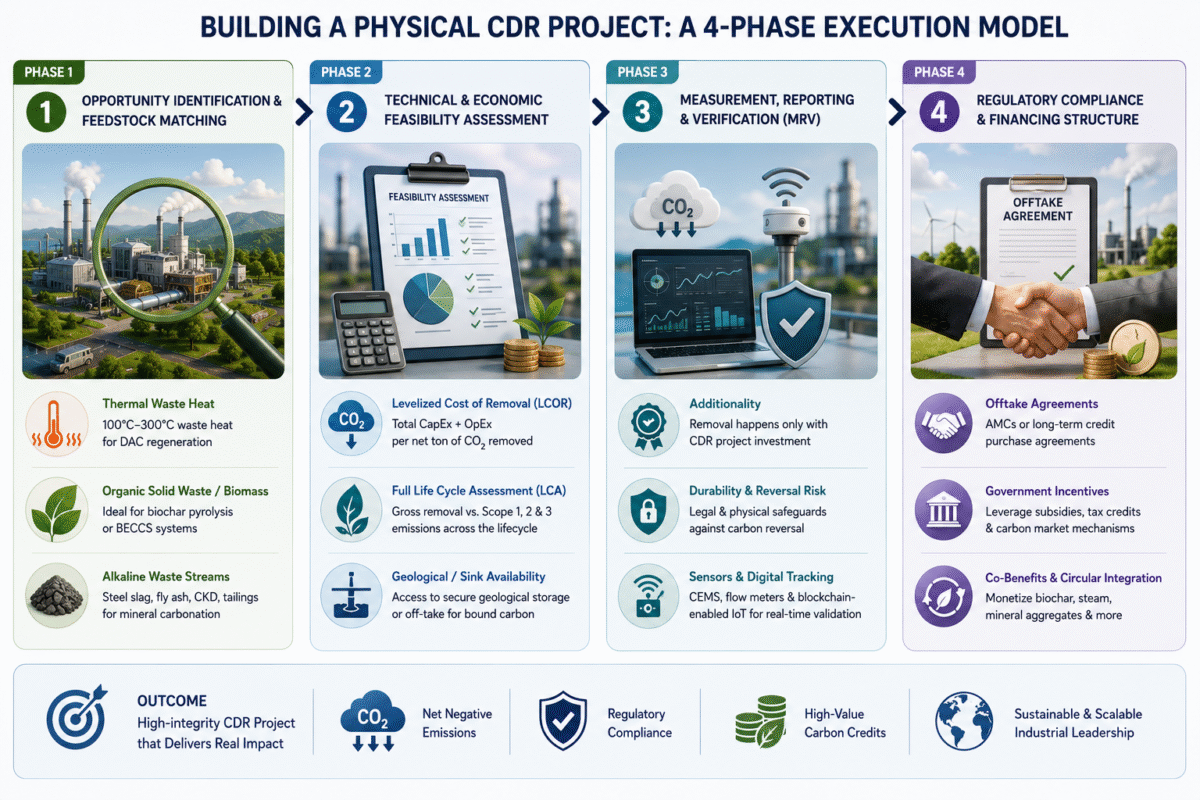
Phase 3: Measurement, Reporting, and Verification (MRV) Framework
An industrial CDR project is only as valuable as the integrity of its claims. Robust MRV protocols are mandatory to sell high-value removal credits or claim regulatory deductions:
- Additionality: Demonstrate that the removal activity would not have occurred without the explicit CDR project investment.
- Durability and Reversal Risk: Establish legal and physical safeguards against carbon leakage or physical destruction (e.g., forest fires for nature-based paths).
- Sensors & Digital Tracking: Deploy continuous emissions monitoring systems (CEMS), digital flow meters, and blockchain-based IoT logging for real-time validation.
Phase 4: Regulatory Compliance and Financing Structure
Capital structures for industrial CDR projects typically leverage blended finance:
- Offtake Agreements: Secure advance market commitments (AMCs) or long-term credit purchase agreements with corporate buyers needing high-durability credits.
- Government Subsidies and Tax Incentives: Utilize regional incentives (such as Section 45Q in the United States or national carbon credit trading mechanisms in India and Europe).
- Co-Benefits & Circular Economy Integration: Monetize secondary outputs, such as biochar soil amendments, process steam from pyrolysis, or mineral aggregates for construction.
6. Sector-Specific CDR Deployment Examples
Case Study 1: Cement & Construction Materials
- Method: Direct Mineralization into Concrete Curing.
- Execution: Industrial concrete producers inject captured ambient or process CO₂ during the batching and mixing phase. The CO₂ reacts with calcium ions in wet cement to form nano-sized calcium carbonate crystals ($CaCO_3$). This permanently traps CO₂ while enhancing the compressive strength of the concrete by up to 10%, reducing standard cement requirements.
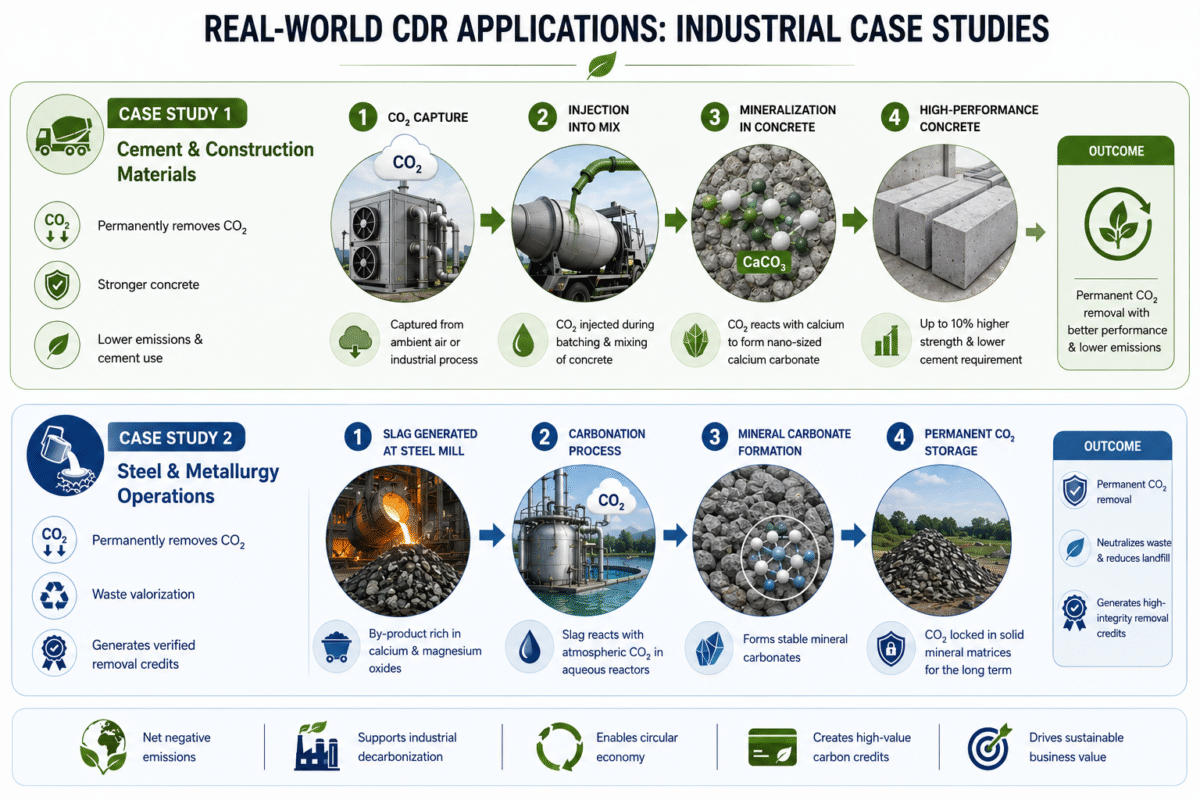
Case Study 2: Steel & Metallurgy Operations
- Method: Slag Carbonation & Enhanced Weathering.
- Execution: Steel mills produce millions of tons of slag containing high concentrations of calcium and magnesium oxides. By reacting fresh slag with atmospheric CO₂ in aqueous reactors or spreading crushed slag over designated land zones, steelmakers trap CO₂ into solid mineral matrices, neutralizing hazardous waste while generating verified removal credits.
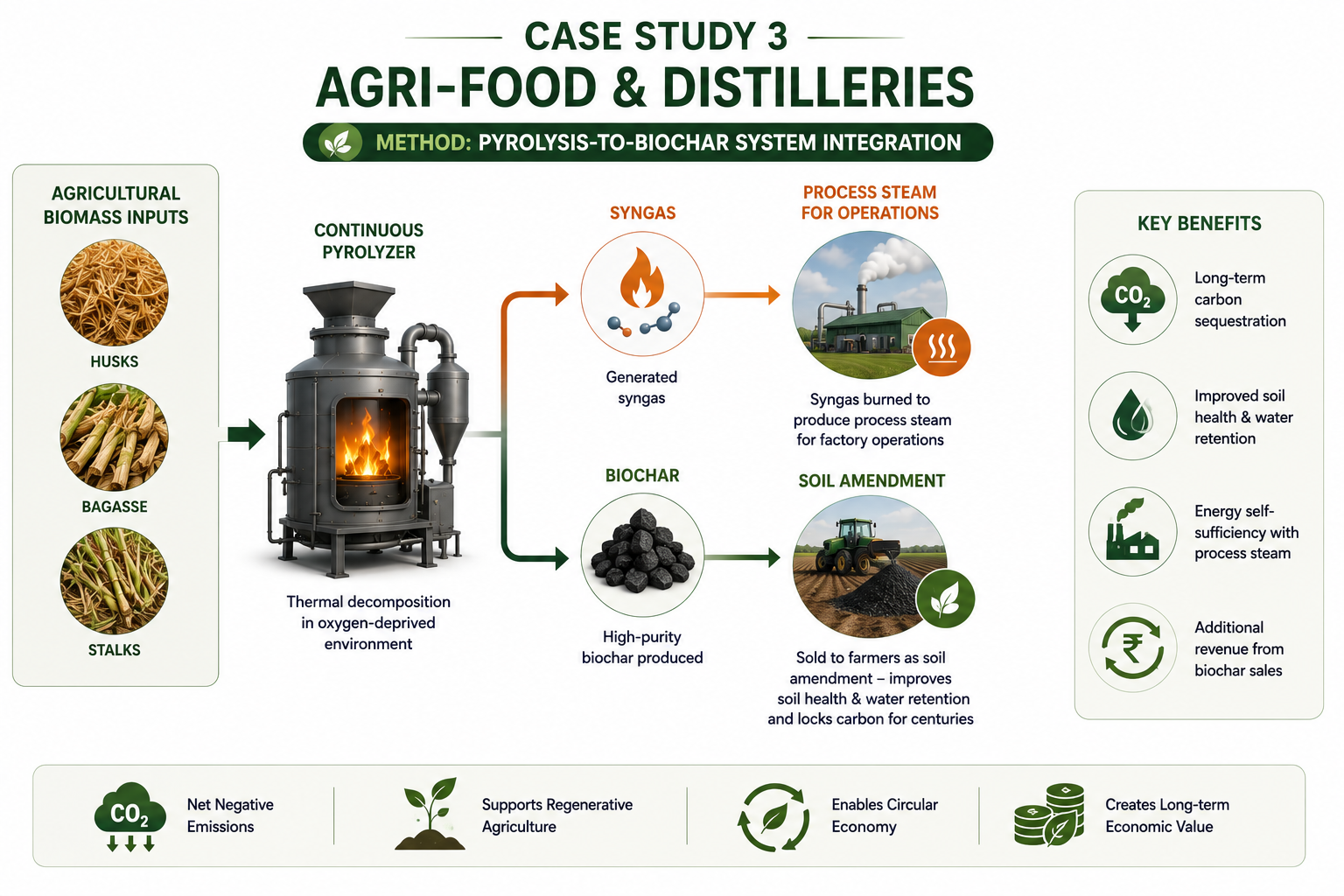
Case Study 3: Agri-Food & Distilleries
- Method: Pyrolysis-to-Biochar System Integration.
- Execution: A major agricultural processing plant feeds husks, bagasse, and stalks into continuous pyrolyzers. The system generates high-purity biochar along with syngas. The syngas is burned to produce process steam for factory operations, while the biochar is sold to regional farmers as a soil amendment that boosts water retention and locks carbon for centuries.
These examples demonstrate how CDR can be integrated into existing industrial operations rather than treated as a standalone climate intervention. The most effective pathways leverage existing materials, waste streams, energy systems, and infrastructure to deliver measurable carbon removal alongside operational value. Across sectors, careful technology selection, durable storage, and robust MRV are essential to ensure that claimed removals are credible and verifiable.
7. Challenges and Strategic Considerations for Industrial Leaders
While the business case for CDR is growing rapidly, industrial adopters must navigate notable strategic challenges:
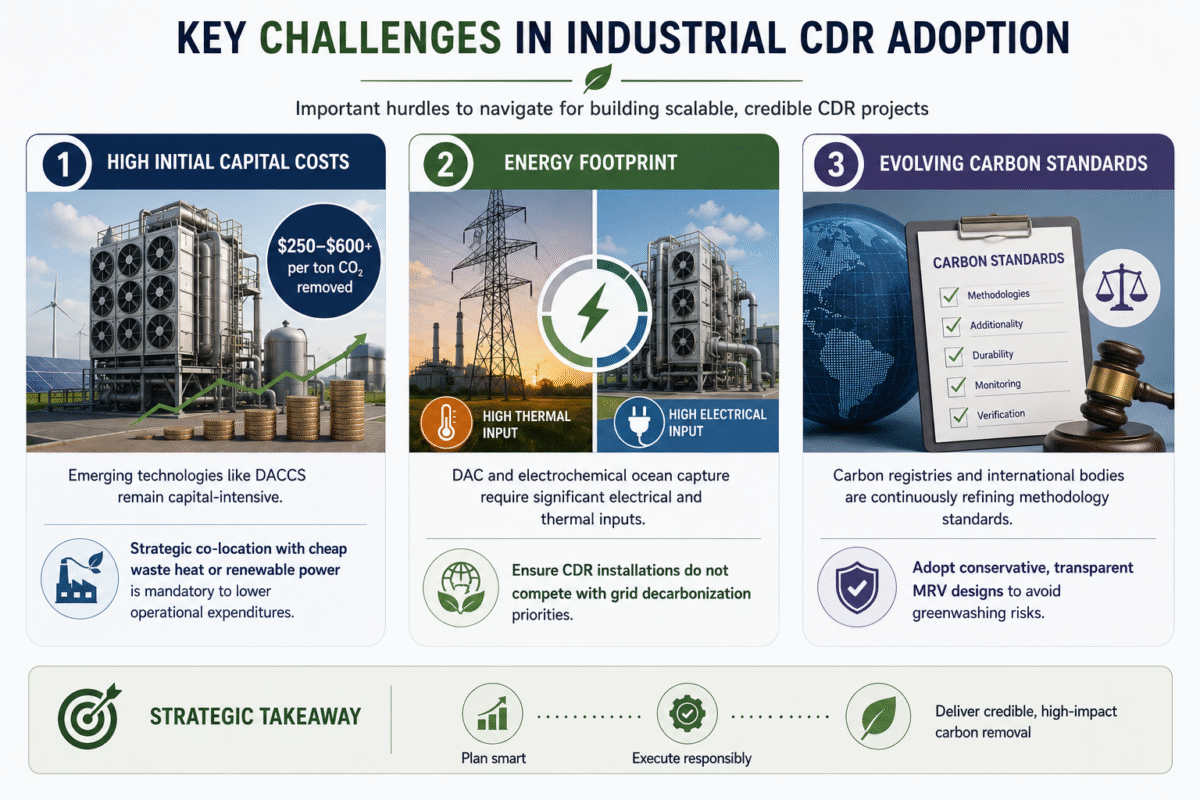
- High Initial Capital Costs: Emerging technologies like DACCS remain capital-intensive ($250–$600+ per ton). Strategic co-location with cheap waste heat or renewable power is mandatory to lower operational expenditures.
- Energy Footprint: DAC and electrochemical ocean capture require significant electrical and thermal inputs. Industrial teams must ensure CDR installations do not compete with grid decarbonization priorities.
- Evolving Carbon Standards: Carbon registries and international bodies are continuously refining methodology standards. Industrial projects must adopt conservative, transparent MRV designs to avoid greenwashing risks.
8. Strategic Roadmap for Corporate Action
Carbon Dioxide Removal is no longer a speculative future concept—it is a core industrial strategy for the modern economic transition. Organizations that evaluate their physical assets, waste streams, and energy profiles today can establish high-integrity CDR projects that de-risk future carbon liabilities, open new credit revenue streams, and secure market leadership in a net-zero global economy.
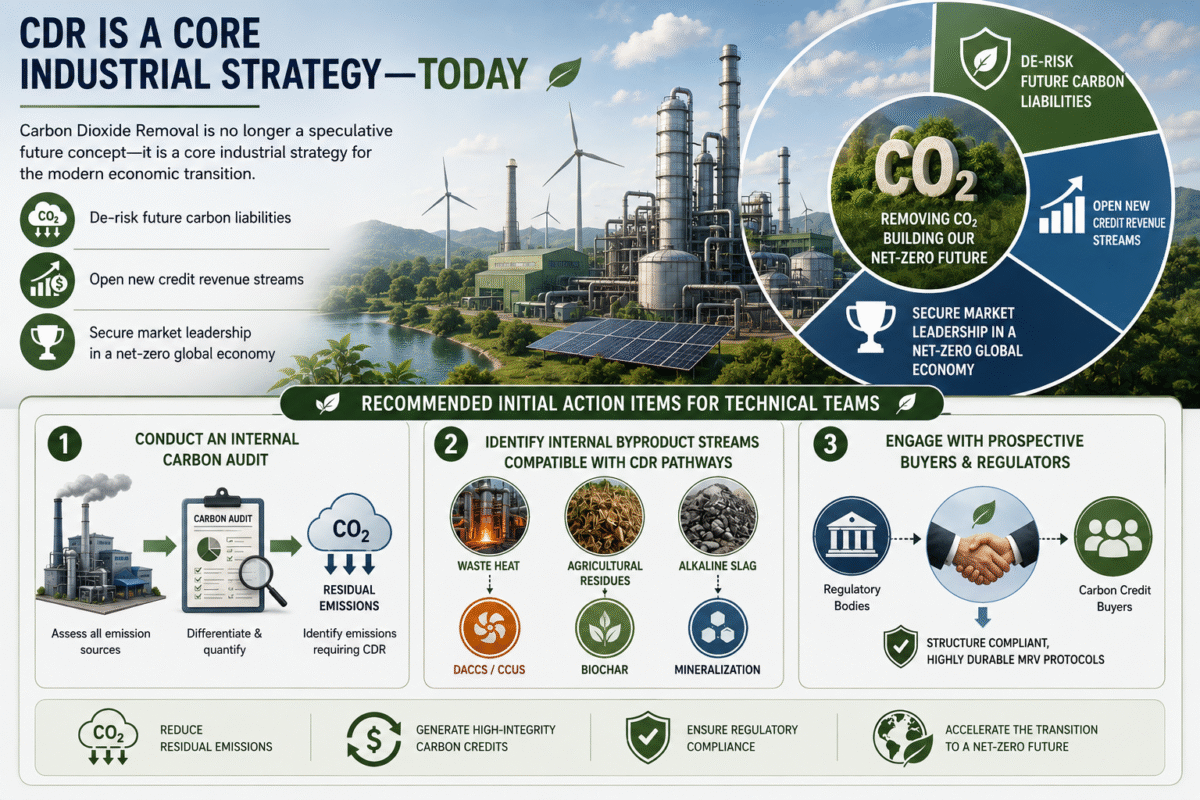
Recommended Initial Action Items for Technical Teams:
- Conduct an internal carbon audit to differentiate residual emissions requiring CDR from flue gas emissions suitable for point-source CCS.
- Identify internal byproduct streams (waste heat, agricultural residues, alkaline slag) compatible with biochar, mineralization, or DACCS integration.
- Engage with prospective carbon credit buyers and regulatory bodies to structure compliant, highly durable MRV protocols.